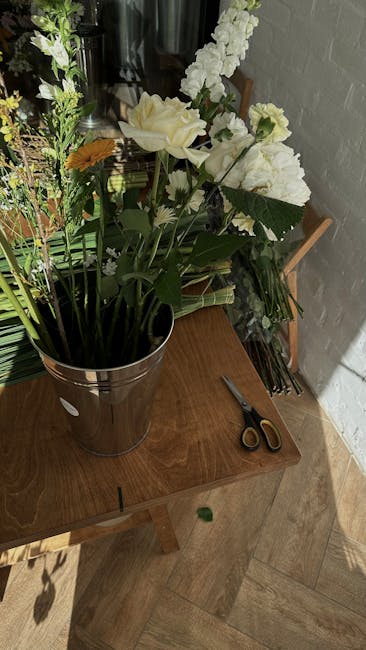
Fix wilting bouquets fast Muswell Hill florist Haringey
Posted on 03/10/2026
There's nothing quite like spotting a once-beautiful bouquet starting to droop on the kitchen sideboard. One minute it looks fresh and full of life; the next, the petals are soft, the stems are slumped, and you're wondering if the whole arrangement has had it. The good news? In many cases, you can fix wilting bouquets fast Muswell Hill florist Haringey style with a few calm, sensible steps and a bit of know-how.
This guide is written for anyone who wants to rescue flowers quickly, understand why bouquets wilt in the first place, and keep them looking better for longer. Whether the flowers are a gift, a display for your home, or a last-minute table arrangement, you'll find practical advice here that actually helps. No fluff. No magic tricks. Just the sort of straightforward floral care that works in real life, on a normal London day, with the heating on and the kettle going.
If you need fresh replacements or a florist-backed bouquet that's easier to keep looking good, you can also browse a trusted florist in Haringey N4 or explore flower delivery in Haringey N4 for a fast refresh when time is tight.

Table of Contents
- Why fixing wilting bouquets fast matters
- How the rescue process works
- Key benefits and practical advantages
- Who this is for and when it makes sense
- Step-by-step guidance
- Expert tips for better results
- Common mistakes to avoid
- Tools, resources and recommendations
- Law, compliance, standards, or best practice
- Options, methods, or comparison table
- Case study or real-world example
- Practical checklist
- Conclusion
- Frequently asked questions
Why Fix wilting bouquets fast Muswell Hill florist Haringey Matters
Wilting is more than a cosmetic problem. Once flowers lose hydration, they can go downhill quickly. Petals soften, stems collapse, and the bouquet starts to look tired long before you expected it to. If you've ever received a lovely bunch on a Friday and found it looking sad by Saturday evening, you'll know the feeling.
Fast action matters because flowers don't usually wilt for one single reason. It's often a mix of heat, dehydration, trapped bacteria, bruised stems, poor trimming, and a vase that needs cleaning. A bouquet in Muswell Hill, especially in a warm flat or on a sunny windowsill, can turn from perky to limp rather quickly. Truth be told, flowers are a bit fussy. That's half the charm.
Fixing the bouquet fast can:
- recover some shape and visual freshness
- extend vase life by several days in many cases
- reduce the number of petals and leaves dropping everywhere
- save a gift arrangement from looking disappointing
- give you time to sort a replacement if the flowers are beyond rescue
There's also a practical side. If you're planning a dinner, event, condolence arrangement, or delivery drop-off, the condition of the flowers affects the whole impression. Fresh, well-kept flowers say care. Droopy ones, not so much.
Quick takeaway: Wilting bouquets are often salvageable if you act early, cut stems properly, refresh the water, and move the flowers away from heat and bacteria. The first 30 minutes matter more than most people realise.
How Fix wilting bouquets fast Muswell Hill florist Haringey Works
The rescue process is really about restoring water flow and reducing stress on the flowers. Flowers wilt when stems can't pull enough water up to the heads, or when they lose water faster than they can replace it. That's why a bouquet can look droopy even if the vase still contains water. A blocked stem is still a blocked stem.
Here's the basic logic behind a fast revival:
- Remove anything that worsens the problem. Old water, soggy leaves, damaged petals, and bacteria all slow recovery.
- Re-cut the stems. A fresh angled cut opens up the drinking surface again.
- Use clean water and, where suitable, flower food. Clean water helps the stems hydrate without fighting bacteria.
- Reposition the bouquet. Away from radiators, direct sun, fruit bowls, and drafty spots.
- Allow time for recovery. Some flowers perk up in under an hour; others need several hours.
Different flowers respond differently. Roses often benefit from a deep drink. Tulips may droop because they're naturally sensitive to heat and movement. Mixed bouquets can be tricky because one flower may recover faster than another. That's normal. A bouquet is not a machine, after all.
If you're looking for a florist with a strong local choice of stems and bouquet styles, the flower shops in Haringey N4 and the broader best flower delivery Haringey N4 options are useful places to compare freshness, presentation, and delivery speed.
Key Benefits and Practical Advantages
Speed matters because the earlier you intervene, the better your chances of saving the bouquet. But the benefit isn't just about rescue. Good flower care also makes future bouquets last longer and look cleaner in the vase. That's especially handy if you regularly receive flowers, send them to others, or keep arrangements in a work space.
- Better vase life: Fresh cuts and clean water slow deterioration.
- Improved appearance: Stems stand taller, petals open more evenly, and the whole arrangement looks more intentional.
- Less waste: You may save flowers that would otherwise be thrown away too early.
- More value: A bouquet that lasts longer gives you more enjoyment for the money spent.
- Quicker problem solving: You can identify whether the issue is water, heat, bacteria, or flower type.
There's a subtle emotional benefit too. A revived bouquet lifts the room. It can turn that "oh no" feeling into a small win, which, let's face it, is strangely satisfying. You clean the vase, trim the stems, refill the water, and suddenly the flowers look like they've had a second chance. Nice little moment, that.
Who This Is For and When It Makes Sense
This advice is useful for anyone dealing with fresh cut flowers, but it's especially relevant in a few common situations. If you've had a delivery arrive a bit soft after a warm journey, if you've forgotten to change the water for a couple of days, or if a bouquet has been sitting too close to a radiator, you're in the right place.
It makes sense if you are:
- a gift recipient trying to rescue a presentable arrangement
- a customer preparing flowers for a dinner table or event
- a small business or office managing flowers in reception
- someone caring for sympathy or memorial flowers where presentation matters
- a bride, host, or organiser who needs flowers to hold their shape for a short but important window
It also makes sense when you're deciding whether to repair or replace. Some bouquets are easy wins. Others are already too far gone. If the stems are mushy, the heads are collapsing completely, or the water smells bad enough to make you step back, replacement may be the more sensible choice. No shame in that.
For occasions where timing and presentation are critical, a ready-made option like same-day delivery flowers or a fresh mixed bouquet from florist choice can be a smarter move than trying to revive something exhausted.
Step-by-Step Guidance
If you want to fix wilting bouquets fast, work methodically. Don't just top up the vase and hope for the best. A small, disciplined reset usually does more than people expect.
1. Get the bouquet out of the old water
Lift the flowers out carefully and pour away the old water. If the vase feels slimy, that's a hint bacteria has been part of the problem. Wash the vase properly with hot soapy water and rinse well. Clean glass matters more than most people think.
2. Remove damaged leaves and petals
Any foliage sitting below the waterline should come off. Leaves in water rot quickly and feed bacteria. Also remove any petals that have gone brown, crushed, or slimy. A bouquet with too much debris around the stems struggles to recover.
3. Re-cut every stem
Use a clean, sharp knife or scissors and cut 1 to 3 cm off the bottom of each stem at a slight angle. This opens a fresh surface for water uptake. If the stems are woody, make the cut a little more decisive. If they're soft, be gentle. Not dramatic, just careful.
4. Use fresh, room-temperature water
For most mixed bouquets, room-temperature water is the safest default. Extremely cold or hot water can stress delicate blooms. Fill the vase to a sensible level so stems can drink without drowning the lower leaves.
5. Add flower food if you have it
Flower food provides nutrients and can help slow bacterial growth. If you don't have any, plain clean water is still better than old water. Don't improvise with random kitchen ingredients unless you know what you're doing. The internet is full of ideas. Some are brilliant. Some are a bit dodgy, to be fair.
6. Reposition the bouquet in a cooler spot
Move the vase away from direct sun, heating vents, radiators, ovens, and fruit bowls. Ripening fruit releases ethylene gas, which can shorten flower life. Keep the flowers somewhere bright but not harsh, ideally with stable temperature and decent airflow.
7. Give it time
Some flowers perk up within 30 to 60 minutes. Others take longer. If the bouquet was badly dehydrated, leave it for a few hours and check again. Don't keep fussing over it every five minutes. Flowers need a bit of calm.
8. Reassess after a few hours
If stems are still limp, repeat the cut on particularly soft stems and refresh the water again. If the heads are completely collapsed, you may be at the limit of what rescue care can do.
Expert Tips for Better Results
Here are the small adjustments that often make a bigger difference than people expect. In our experience, these are the details that separate a bouquet that limps on for one more day from one that actually looks decent.
- Trim at an angle every few days. It helps stems take up water more efficiently.
- Change the water more often than you think you need to. Fresh water is one of the easiest wins.
- Use a vase that suits the bouquet size. Too wide and the stems spread; too narrow and they get crushed.
- Keep arrangements away from windows at night if it gets chilly. Sudden temperature swings can shock certain flowers.
- Support the bouquet lightly if the stems are soft. A tidy tie or ribbon can help mixed stems stand better in the vase.
- Handle blooms by the stems, not the heads. Petals bruise easily.
One useful little trick: if a bouquet is mostly fine but one or two stems have collapsed, remove the worst offenders and let the rest carry the display. A good florist-style arrangement doesn't always need every stem to survive equally. Sometimes pruning the problem blooms makes the whole thing look better immediately.
And yes, a clean vase really does matter. It's not glamorous, but there you go.

Common Mistakes to Avoid
Most bouquet failures aren't mysterious. They come from a handful of avoidable habits. If you want faster recovery, steer clear of these:
- Leaving leaves below the waterline because they rot and speed up bacteria growth.
- Using a dirty vase after flowers have already started to wilt.
- Cutting stems with blunt scissors that crush the stem instead of opening it.
- Putting flowers near fruit and wondering why they age quickly.
- Overfilling the vase so soft stems sit too deep and decay faster.
- Placing the bouquet in direct heat from a radiator, cooker, or hot window.
- Assuming every flower can be revived the same way when roses, lilies, tulips, and hydrangeas all behave differently.
Hydrangeas are a good example. They can look dramatic and droopy very quickly, but sometimes recover with a deep drink and cooler conditions. Roses may need stem recutting. Tulips naturally keep moving toward the light and may bend even when healthy. So you need a bit of judgement. Not every droop means disaster.
Tools, Resources and Recommendations
You do not need a trolley full of kit to rescue wilting flowers. A few simple tools are enough.
| Tool or item | What it helps with | Why it matters |
|---|---|---|
| Clean vase | Fresh water and proper support | Reduces bacteria and improves presentation |
| Sharp scissors or floral knife | Stem trimming | Creates a cleaner cut and better water uptake |
| Fresh water | Rehydration | The foundation of any rescue attempt |
| Flower food | Nutrition and freshness | Helps slow decline when used properly |
| Soft cloth or kitchen towel | Cleaning stems and vase edges | Keeps the setup tidy and reduces slime |
| Cool room space | Recovery conditions | Protects blooms from unnecessary heat stress |
If you need a florist that can help with a reliable fresh arrangement rather than a rescue job, consider options like next-day flower delivery Haringey N4 or browse broader gifting choices such as flower care guidance before you choose your bouquet style.
For longer-lasting flowers, choose sturdier varieties and well-balanced mixed stems. In many homes, carnations, chrysanthemums, alstroemeria, and some roses perform well with decent care. If you're buying for a busy household, office, or reception desk, that can make all the difference.
Law, Compliance, Standards, or Best Practice
For most readers, there is no legal issue with flower care itself. Still, a professional florist or business should follow sensible best practice around hygiene, accurate product information, delivery expectations, and fair customer handling. In the UK, that usually means clear communication about what is included, what delivery conditions apply, and how issues or complaints are handled.
Best practice also includes using clean tools, safe handling of water and glass, and careful packaging. If flowers are being delivered to a workplace, care home, venue, or funeral setting, timing and presentation matter. You want the arrangement to arrive looking as intended, not needing a rescue on the doorstep.
For customers, it's wise to read the shop's policies before ordering. Pages like delivery information, guarantees, returns and refund information, and terms and conditions are useful because they set expectations clearly. That's just sensible buying, really.
If a bouquet arrives visibly damaged, contact the florist promptly with photos and order details. Most reputable businesses handle issues more smoothly when they're told early and given the chance to assess the problem. Keep packaging where possible. Small thing, but helpful.
Options, Methods, or Comparison Table
Sometimes the best decision is not whether to rescue the bouquet, but how to rescue it. Here's a simple comparison of the most common approaches.
| Method | Best for | Pros | Limitations |
|---|---|---|---|
| Fresh cut and clean water | Most wilting bouquets | Fast, simple, low-cost | Won't save severely damaged stems |
| Deep hydration soak | Roses, hydrangeas, thirsty stems | Can revive dramatic droop | Needs monitoring and appropriate vase depth |
| Cool room recovery | Heat-stressed arrangements | Helps flowers rest and rehydrate | Doesn't fix bacteria or crushed stems |
| Stem replacement or removal | Mixed bouquets with a few failing stems | Improves overall presentation quickly | You lose some original stems |
| Complete replacement | Severely collapsed bouquets | Fastest way to get a fresh result | Costs more than a rescue attempt |
If you're unsure which route to take, use this rule of thumb: if the bouquet still has some firmness and the water issue is obvious, try rescue first. If the stems are mushy, smell bad, or the flowers have already browned badly, replacement is often the better choice. There's no prize for stubbornness.
Case Study or Real-World Example
Imagine a mixed bouquet arrives on a Thursday evening in Muswell Hill after a day of warm delivery conditions. It looks okay at first glance, but by Friday morning the roses are nodding and the greenery is hanging over the vase rim. Not a disaster, but not ideal either.
The first step is a proper reset: clean vase, fresh water, stems trimmed, and leaves removed below the waterline. The bouquet is then placed away from the kitchen window and radiator. Within an hour, the roses look a little less defeated. By late afternoon, the bouquet has lifted enough to sit neatly on the dining table for the weekend.
Now, was every stem perfect? No. One or two were removed because they had gone too soft. That happens. But the overall arrangement recovered well enough to feel presentable again, which is usually the real goal. Not perfection. Just a good, honest save.
This is where a local florist mindset helps. A good bouquet isn't only about the flowers you buy; it's also about how you care for them once they're home. A little attention at the right moment can change the whole story.
Practical Checklist
Use this quick checklist when you need to act fast.
- Remove the bouquet from old water
- Wash the vase thoroughly
- Trim 1 to 3 cm from each stem
- Remove leaves below the waterline
- Cut away damaged petals or stems
- Refill with fresh, room-temperature water
- Add flower food if available
- Move flowers away from heat and fruit
- Check again after 30 to 60 minutes
- Repeat the cut or refresh water if needed
Useful reminder: if the bouquet is valuable, sentimental, or needed for an event, start with the cleaning and trimming steps right away. Waiting usually makes things harder, not easier.
Conclusion
To fix wilting bouquets fast, focus on the basics: clean the vase, cut the stems, refresh the water, and give the flowers a cooler, calmer place to recover. Most of the time, that's enough to turn a drooping arrangement into something attractive again. Sometimes it only buys you another day or two. Sometimes it saves the whole bouquet. Either way, it's worth doing properly.
If your flowers are part of a celebration, a gift, or a meaningful moment, it makes sense to treat them with a bit of care from the start. And if you decide the bouquet needs replacing rather than rescuing, that's okay too. A fresh, well-chosen arrangement can be the simpler, better option.
For local flower needs, a thoughtful florist in Haringey can help you choose blooms that suit the occasion and hold up well at home. Small effort, big difference. That's the beauty of it.
Get a free quote today and see how much you can save.
If you're ready to explore fresh flowers, thoughtful gifting, or a replacement bouquet that feels right first time, take a look at the local range and choose something that fits the moment. A good bunch can change the whole room, honestly.
Frequently Asked Questions
How do I fix wilting bouquets fast at home?
Remove the flowers from old water, clean the vase, trim the stems, remove leaves below the waterline, and put the bouquet into fresh water straight away. Then move it somewhere cool and let it recover.
Why do bouquets wilt so quickly?
Common causes include dehydration, blocked stems, bacteria in the vase, heat, direct sunlight, and leaves left in the water. Sometimes it's a mix of all of those, which is annoyingly common.
Can all wilting flowers be revived?
No. If stems are mushy, the flower heads are badly collapsed, or the bouquet smells unpleasant, recovery may not be realistic. Some flowers recover well; others are already past their best.
Should I use cold or warm water for wilted flowers?
Room-temperature water is usually the safest starting point for mixed bouquets. Some flowers have special needs, but for most arrangements, very hot or icy water is not the best first move.
How often should I change the vase water?
Changing the water every one to two days is a sensible habit for most bouquets, especially if you want them to last. If the water looks cloudy sooner, change it sooner. Simple as that.
Does flower food really help?
Yes, when used correctly. Flower food can help nourish stems and slow bacterial growth. It won't save a badly damaged bouquet on its own, but it does support better vase life.
What flowers are easiest to revive when they wilt?
Hydrangeas, roses, and some mixed stems can often respond well to fresh cutting and deep hydration. Tulips and more delicate blooms may need gentler handling and may still move around a bit.
Why should I remove leaves from the stems?
Leaves below the waterline rot quickly and encourage bacteria, which shortens vase life. Removing them keeps the water cleaner and helps the bouquet stay fresher for longer.
Can I put wilted flowers in the fridge?
Some people do this for short periods, especially for event flowers, but it depends on the flower type and your fridge conditions. Avoid putting flowers near fruit or in a crowded fridge where they can get bruised.
What should I do if only one or two stems are wilted?
Remove the failing stems if they are dragging the arrangement down. The rest of the bouquet often looks better immediately once the problem stems are out of the way.
Is it better to repair a bouquet or replace it?
If the bouquet is only mildly tired, repair is usually worth trying. If it is heavily damaged, replacement may be faster and more cost-effective. It depends on how much life is left in the stems.
Where can I order flowers in Haringey if I need a fresh bouquet quickly?
You can look at options for send flowers in Haringey N4 or check same-day flower delivery in Haringey N4 when timing matters and you want a fresh start rather than a rescue job.