Posted on 12/10/2026
Flower waste disposal rules Haringey Council guidance: what to do with stems, petals, leaves and old bouquets
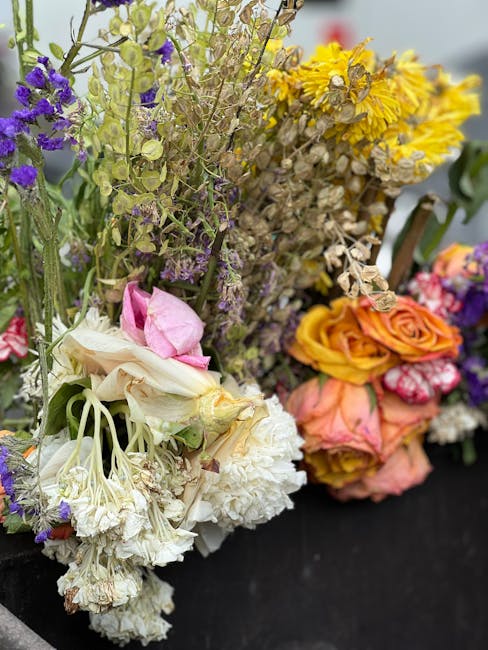
If you've ever stared at a soggy bouquet on the kitchen counter and wondered what on earth to do next, you're not alone. Flower waste disposal rules Haringey Council guidance can feel oddly specific at first, but the basics are straightforward once you break them down. Fresh flowers, wilted stems, funeral tributes, shop waste, compostable greens, packaging, and mixed household rubbish all need slightly different handling. Get it wrong and you can create smells, pests, avoidable mess, or a collection issue outside the front door. Get it right, and disposal becomes simple.
This guide explains the practical side in plain English. You'll see what normally counts as flower waste, how local collection and recycling habits affect disposal, where people commonly go wrong, and how to handle everything cleanly and responsibly in Haringey. It's written for anyone dealing with home bouquets, florist waste, event flowers, sympathy arrangements, or leftover stems after a busy week. Truth be told, it's one of those small jobs that looks trivial until it isn't.
For readers who buy or send flowers regularly, it can also help to understand the care and delivery side of the process. If you are ordering flowers for home or an event, pages like flower care advice and delivery information can be useful companions to the disposal side. A little planning saves a lot of bin-day annoyance.
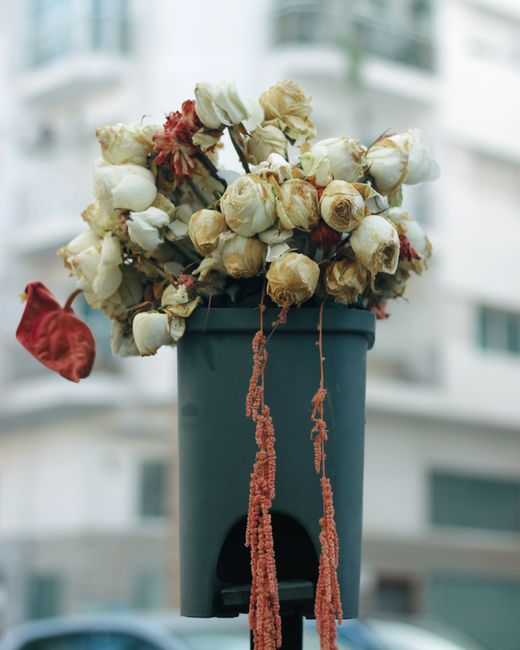
Table of Contents
- Why this guidance matters
- How flower waste disposal works in practice
- Key benefits and practical advantages
- Who this is for and when it makes sense
- Step-by-step guidance
- Expert tips for better results
- Common mistakes to avoid
- Tools, resources and recommendations
- Law, compliance, standards and best practice
- Options and comparison table
- Case study and real-world example
- Practical checklist
- Conclusion
- Frequently asked questions
Why Flower waste disposal rules Haringey Council guidance Matters
Flower waste is easy to underestimate. It looks soft, harmless, and biodegradable, so people assume it can go anywhere. But in real life, once flowers are mixed with ribbon, plastic wrap, florist foam, cellophane, wire, tape, and damp paper, they stop being a single material. That matters for household disposal, recycling, and commercial waste handling.
In a busy borough like Haringey, a few simple habits make a difference. A bouquet thrown into the wrong bin can leak moisture, attract fruit flies, and create a stronger smell than you'd expect. Mixed floral waste in the wrong stream can also contaminate recycling or make a collection bag tear. To be fair, nobody wants to fish out wet rose stems at 7 a.m. before the bin lorry comes round.
There's a second reason this guidance matters: flower waste often comes with emotional or event-based moments. You might be clearing funeral flowers, post-wedding arrangements, or corporate displays after a long event. Those situations can be rushed. When people are tired, stressed, or grieving, the clean-up tends to get handled quickly and not always carefully. Clear guidance helps reduce that pressure.
The practical aim is simple: separate what can be reused, recycled, composted, or disposed of as residual waste. Once you start thinking in those four buckets, the whole thing becomes much easier.
How Flower waste disposal rules Haringey Council guidance Works
There is no single "flower bin" for every situation. Instead, disposal usually depends on what the material actually is and whether it is clean organic waste or mixed waste.
1. Pure floral material is the easiest part
Fresh petals, leaves, stems, and faded blooms are usually the simplest items to handle. If they are free from plastic ties, foam, glitter, wire, or large amounts of non-organic wrapping, they may be suitable for home composting or garden waste disposal where that service exists. If you do not compost, they can normally go into general waste as long as they are bagged sensibly and not leaking liquid.
2. Mixed bouquet packaging changes the disposal route
Most shop-bought bouquets include more than flowers. Wraps, tags, ribbons, plastic sleeves, elastic bands, and decorative picks all need checking individually. Some parts can be recycled if they are clean and accepted in your household recycling, but many cannot. Cellophane, for example, is often mistaken for plastic film that can be recycled, but it usually isn't accepted in standard household collections. That's a common one.
3. Event and commercial floral waste needs more planning
Florists, wedding venues, hotels, offices, and event organisers often deal with larger volumes. In those cases, waste handling becomes less about one bouquet and more about regular separation. A florist might produce cardboard, green waste, broken vases, foam, and retail packaging all in one morning. The right disposal method depends on the waste stream, storage space, and collection arrangements.
If your flower waste is connected to a business, it may make sense to review the business-side policies on the website too, such as corporate accounts and sustainability. Those pages can help you think about routine disposal in a more structured way, especially if you buy or send flowers often.
4. Moisture is the hidden nuisance
Old flowers hold water. That sounds obvious, but it matters. Wet waste can make a kitchen bin smell much faster than dry rubbish. If you are disposing of a vase arrangement, tip the water away first, remove the stems, and let the waste drain before bagging it. A little patience here saves a lot of regret later. Ask anyone who has opened a bin after a warm weekend.
Key Benefits and Practical Advantages
Following sensible flower disposal practice gives you more than a tidy bin. It improves hygiene, reduces waste contamination, and makes everyday home management less irritating. That might sound small, but small things stack up.
- Cleaner bins: less liquid, less smell, fewer flies.
- Better recycling outcomes: packaging is more likely to be separated correctly.
- Less wasted space: trimmed stems and removed wraps take up less room.
- Easier handling: smaller, lighter bundles are less awkward to carry out.
- More responsible disposal: compostable flower material is kept apart where possible.
- Less stress after events: wedding, funeral, and corporate clear-ups feel more manageable.
There is also a softer benefit. Good disposal habits make a home or workplace feel looked after. When you clear flowers properly, the kitchen, hallway, or event room resets more quickly. The room smells fresh again. The bins don't nag at you. Simple, but real.
If you regularly buy flowers, choosing arrangements that are easier to manage can help too. A bouquet in a vase, for instance, can be easier to deal with at the end of its life than loose stems and wraps. It's a minor preference, yet it saves time later.
Who This Is For and When It Makes Sense
This guidance is useful for a wide range of people in Haringey. Some are obvious. Some less so.
Home users
If you receive flowers for birthdays, anniversaries, sympathy occasions, or just because someone fancied brightening the table, you'll need a practical disposal routine once they fade. Home users often have limited bin space, so separating compostable material from packaging is especially useful.
Florists and flower retailers
Retailers deal with unsold stock, damaged stems, packaging, delivery waste, and seasonal peaks. Even a small shop can generate a surprising amount of waste in a day. A tidy segregation routine matters here, not just for compliance but for customer-facing presentation. Nobody wants a beautiful shop front with a chaotic back room.
Event planners and venues
Weddings, parties, conferences, and memorial services all create floral waste. Clear-up often happens late in the day, when people are tired and the venue team wants the room back fast. This is exactly when simple disposal steps help the most.
Offices and communal buildings
Reception flowers, meeting-room arrangements, and seasonal displays need regular clearing. If you work in a shared building, a simple process prevents flowers being dumped in the nearest recycling bin and creating contamination.
Households managing larger or mixed waste
If you've had a big family gathering, a funeral reception, or a wedding at home, the amount of flower waste can suddenly jump. That's when the "just toss it in the bin" approach stops being enough.
Step-by-Step Guidance
Here is the straightforward process we'd recommend for most situations. It is not fancy. It works.
- Separate the flowers from the packaging. Remove paper wrap, cellophane, ribbon, ties, labels, foam, and any wire or plastic picks.
- Check what can be reused. Clean vases, jars, ribbons, and gift tags can sometimes be kept for another use if they are still in good condition.
- Drain excess water. Tip out vase water into a sink or drain, not over a carpet or hallway floor. Obvious, but worth saying.
- Sort the organic material. Put petals, stems, and leaves together if they are clean and free from non-organic attachments.
- Decide the disposal route. Compost at home if suitable, place in garden waste if available to you, or use residual waste if the flowers are mixed, wet, or contaminated.
- Bag it sensibly. Use a small bag or bin liner if needed, especially for damp waste. Don't overfill; flower waste compresses, but not always neatly.
- Clean the container. Wash vases or buckets before storing them again, so residue does not build up.
- Put packaging in the correct stream. Only recycle packaging that is accepted locally and clean enough to be recycled. When in doubt, keep it out of recycling.
One useful habit is to process flower waste the same day or the next morning. Leaving old blooms by the sink until the weekend is how the smell gets more "interesting" than anyone asked for.
A quick home example
Say you receive a mixed bouquet in a glass vase. The roses are drooping, the lilies are still holding shape, and there's a plastic sleeve round the outside. The practical move is simple: remove the sleeve, unwind the ribbon, compost or bin the stems, rinse the vase, and keep the glass for reuse. That's the whole job. No drama.
Expert Tips for Better Results
After handling enough floral waste, a few patterns become obvious. The same small improvements keep coming up.
- Trim before you toss: cut stems down to shorter lengths so they sit better in bags or bins.
- Use a separate caddy for green waste: even a small bucket or reusable tub helps you stop mixing waste streams.
- Avoid cramming damp flowers into dry recycling: moisture and paper recycling do not mix well.
- Remove foam carefully: floral foam, where used, should be handled as mixed waste unless your local arrangements say otherwise.
- Store waste briefly and cool: if you cannot dispose of it immediately, keep it away from heat sources and direct sun.
- Keep a small waste station near the sink: a bag, scissors, and a caddy save time when you are processing several stems.
Another practical tip: if you buy flowers regularly, choose arrangements with less fussy packaging. The flower itself is the point, after all. Fewer layers means less sorting later. That's just common sense, really.
For regular floral buyers, browsing a florist's selection of bouquet styles can also help you choose arrangements that suit your disposal habits. You may prefer simpler stems such as roses, mixed seasonal styles, or arrangements that sit neatly in a vase such as flowers in a vase. Less fiddly, more manageable.
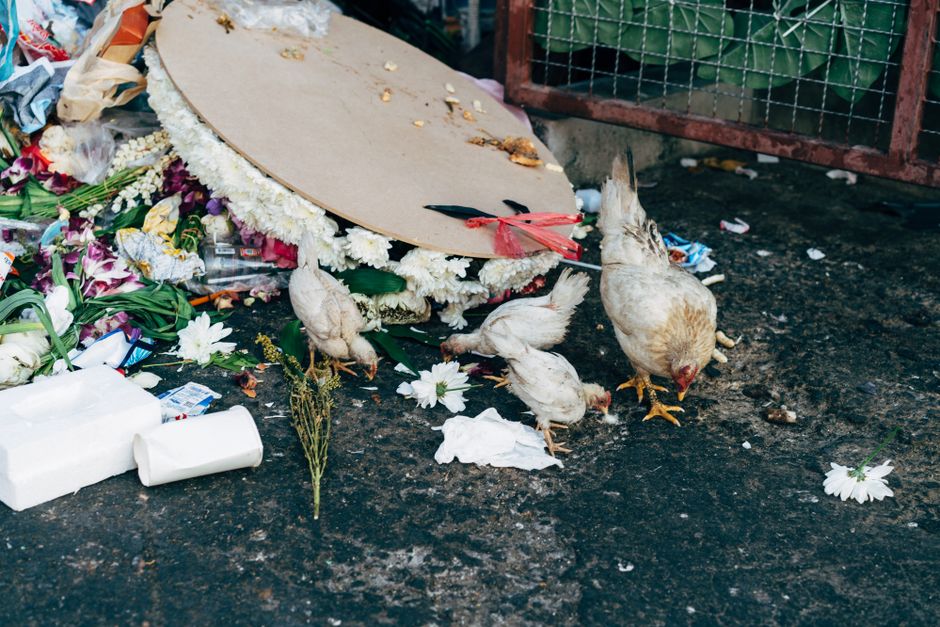
Common Mistakes to Avoid
Most flower disposal mistakes are not serious. They are just annoying. Still, a few come up again and again.
Putting everything into recycling
This is probably the most common mistake. Flowers themselves are not the issue; the issue is the mixed materials. If the bouquet still has plastic film, tape, foam, glitter, or ribbon attached, the whole lot may become unsuitable for recycling.
Leaving wet stems in sealed bags for days
Wet organic waste decomposes quickly. A sealed bag of old flowers can smell bad very fast, especially in warm weather. You'll notice it before you see it.
Forgetting the water in the vase
This one catches people after events. If you tip a full vase into a hallway bin or bag, you'll create a mess and probably drip across the floor. Drain first, then dispose.
Mixing flower waste with general litter from events
If you are clearing a party or wedding venue, floral waste often gets thrown together with napkins, takeaway cups, and packaging. It's quicker in the moment, but it makes sorting much harder later. Separate as you go if you can.
Using too-large bags
Big bags sound convenient, but flower waste compresses unevenly and can be awkward to carry. Smaller, manageable bags are easier to lift and less likely to split.
Ignoring local collection expectations
Haringey households and businesses may have different arrangements depending on property type, collection schedule, and waste setup. Always follow the actual collection system you've been given, rather than guessing based on what a neighbour does.
Tools, Resources and Recommendations
You do not need special kit to dispose of flower waste well, but a few everyday items make life easier.
| Item | Why it helps | Best use |
|---|---|---|
| Kitchen scissors or secateurs | Makes stems easier to cut down | Home bouquets, floral prep, event clear-up |
| Small reusable caddy | Keeps green waste separate | Daily household or florist use |
| Paper bag or compostable liner | Useful for short-term collection of dry organic waste | Light flower trimmings and petals |
| Bucket or vase rinse station | Stops water spilling over the floor | After arranging or clearing flowers |
| Gloves | Helpful for thorny stems or larger clean-ups | Roses, mixed stems, event waste |
| Reusable storage box | Keeps packaging and ribbon together for sorting | Florists and event teams |
For customers who want to choose flowers with a practical afterlife in mind, it also helps to look at the retailer's broader policies on returns, delivery, and service quality. The pages on guarantees, returns and refund, and about us can help you understand the level of service behind the flowers themselves. That kind of transparency matters more than people think.
If you are planning ahead for a special delivery, the category pages for different occasions can also help you choose bouquets that suit the situation, whether you need birthday flowers, funeral flowers, or something for a wedding table. Choosing well at the start reduces waste at the end.
Law, Compliance, Standards, or Best Practice
This part needs careful wording. There is no single universal rule that every flower stem must be disposed of in one exact way. In the UK, waste handling generally depends on whether the material is household waste, garden waste, commercial waste, or mixed recyclable material, and local collection rules determine what can go where. So the safe approach is to follow the waste stream you have been given and separate materials as cleanly as possible.
For households, the main best practice is practical rather than legalistic: keep organic flower waste out of recycling unless it is clearly accepted, and keep packaging clean and separated where possible. For businesses, especially florists and venues, there is a stronger expectation to manage waste responsibly, store it safely, and avoid contamination across waste streams.
A few broad standards make sense here:
- Duty of care: waste should be stored, transferred, and handled responsibly.
- Segregation: separate organic material from packaging and non-recyclable items.
- Hygiene: prevent smells, leakage, and pest issues.
- Local compliance: use the actual collection service and rules provided for your property or business.
If you are operating commercially, it is worth keeping records of your waste arrangements, especially if flower waste is only one part of a larger mixed waste stream. Simple, yes. But simple is often what keeps things compliant.
Options, Methods, or Comparison Table
Not every disposal route is equally good for every type of flower waste. The best option depends on what you are dealing with and how much of it there is.
| Method | Best for | Pros | Limits |
|---|---|---|---|
| Home composting | Clean petals, leaves, stems | Low waste, environmentally friendly, simple | Not suitable for mixed packaging or treated materials |
| General waste | Mixed bouquets, wet waste, contaminated stems | Easy, widely available | Less sustainable than composting |
| Garden waste collection | Organic garden-style floral waste where accepted | Good for larger green volumes | Depends on property and local collection setup |
| Commercial waste service | Florists, venues, offices, large events | Reliable for larger volumes, easier separation | Requires planning and possibly added cost |
If you mostly deal with a single vase of flowers, general waste or composting may be enough. If you're clearing a wedding room full of arrangements, a proper commercial arrangement is worth it. Different job, different solution.
Case Study or Real-World Example
Imagine a small Haringey cafe that keeps a fresh arrangement near the till each week. The flowers look lovely on Monday. By Friday, a few stems are browning, and the water has gone cloudy. The manager used to throw the whole vase contents into the nearest bin, including the plastic wrap and flower ties. By the end of the day, the back area smelled damp and slightly sweet in the wrong way.
The cafe changed to a simple routine. One staff member empties the vase water into a sink, cuts the stems down, separates the wrap and tie, and puts the clean organic waste into a small green caddy while the packaging goes into the correct bin. It takes a couple of minutes, maybe less. The difference is noticeable almost immediately: less smell, cleaner prep space, and fewer complaints from staff lugging waste out at closing time.
Now picture a wedding the next day. The venue has table flowers, entrance displays, and a few large arrangements at the front. Without a plan, the clean-up becomes chaos. With a plan, one box holds reusable vases, one bag holds stems, and a separate container holds packaging and ties. Nobody is standing there at 11 p.m. guessing what to do with a soggy rose head. Small difference, big relief.
That's the real lesson. Flower waste is simple only if you sort it before it becomes a mess.
Practical Checklist
Use this quick checklist when disposing of flower waste in Haringey.
- Remove all ribbons, wraps, foam, wire, tags, and plastic sleeves.
- Drain vase water before moving the waste.
- Keep clean organic flower material separate from packaging.
- Compost only what is suitable and uncontaminated.
- Use general waste for mixed or dirty flower waste if needed.
- Do not place flower waste in recycling unless you are certain it is accepted.
- Rinse vases and buckets before storing them again.
- Dispose of larger event waste in separate piles or bags.
- Store waste briefly, in a cool place if necessary.
- Follow the collection system for your home or business, not guesswork.
Practical summary: separate first, drain second, bag third. That simple order solves most flower disposal problems before they start.
If you also need flowers for a new occasion after clearing out old arrangements, browsing the right category can save time. For example, seasonal and general options such as any occasion flowers or a practical florist choice bouquet can be easier to manage because the order is quick and the styling is straightforward.
Conclusion
Flower waste disposal rules Haringey Council guidance is really about one thing: handling floral waste in a way that is clean, sensible, and suited to the material in front of you. Fresh stems are not the same as mixed packaging. A vase arrangement is not the same as a wedding venue clear-up. Once you separate those situations, disposal becomes much easier.
The best routine is rarely complicated. Remove packaging, drain water, sort organic waste, and use the right bin or collection stream. That's it. If you do that consistently, you'll keep smells down, avoid contamination, and make life easier for everyone in the house or workplace.
And if you are planning future orders, choosing flowers and delivery options with disposal in mind can save you time later. A little care upfront goes a long way. Sometimes the tidy ending is the nicest part.
Get a free quote today and see how much you can save.
Frequently Asked Questions
Can I put flower stems in my general waste bin?
Yes, in many cases you can, especially if the stems are mixed, wet, or not suitable for composting. Just remove packaging first and avoid overfilling the bag. If you have a compost option, clean stems are usually better kept separate.
Can I compost old flowers at home?
If the flowers are clean and free from plastic, wire, foam, and other mixed materials, home composting can be a good option. Chop larger stems into smaller pieces to help them break down more quickly. Avoid composting anything heavily treated or contaminated.
What should I do with florist wrap and ribbon?
Separate them from the flowers first. Ribbon, tape, and plastic wrap may need different disposal routes depending on the material and local acceptance rules. If you are not sure, keep them out of recycling and place them in the appropriate general waste stream.
Are flowers in a vase disposed of differently from loose bouquets?
Usually yes, because the vase water needs draining and the vase itself may be reusable or recyclable depending on the material. Loose bouquets are simpler, but both still need packaging removed before disposal.
What about funeral flowers or sympathy arrangements?
They are handled in the same practical way as other flowers, but the emotional context is different. Many people choose to separate keepsakes first, then remove the organic waste and packaging carefully afterward. A little gentleness goes a long way here.
Can I put flower waste in the recycling bin if it is natural?
Not usually. "Natural" does not automatically mean recyclable. Flower waste can contaminate recycling if it is damp or mixed with non-recyclable materials. Only use recycling if the material is specifically accepted and clean enough.
How do I stop flower waste smelling bad in the kitchen?
Drain the water, remove decaying stems quickly, and dispose of waste in a small bag or caddy rather than leaving it open. If you can, clear it the same day. Warm rooms make the smell develop much faster.
Do florists in Haringey need a different disposal approach?
Yes, usually. Florists generate higher volumes and more mixed materials, so a routine waste setup is helpful. That often means separating organic stems, packaging, cardboard, and any non-recyclable materials into the right streams from the start.
What is the safest way to handle thorny flower stems?
Wear gloves and use secateurs or scissors rather than trying to bend or tear the stems by hand. Roses and similar flowers can scratch unexpectedly. It's a tiny thing, but it saves a lot of irritation.
Can I reuse flower packaging and vases?
Often, yes. Clean vases, jars, and some packaging can be reused for home arrangements, gift wrapping, or storage. Reuse is usually the best first step before disposal, provided the item is still in decent condition.
How should event organisers handle a large amount of flower waste?
Separate the waste into clear categories before the event ends if possible: reusable items, organic stems, packaging, and general rubbish. The bigger the event, the more important it is to sort early rather than trying to untangle it all later.
Where can I find more practical flower information on this site?
You can look at useful pages such as flower care, sustainability, and the wider flower shop and delivery pages. They help with choosing, caring for, and managing flowers from start to finish.