20/10/2026
If you are planning public flower displays in Tottenham or anywhere in Haringey, the permit question tends to come up fast. And for good reason.
If you are planning public flower displays in Tottenham or anywhere in Haringey, the permit question tends to come up fast. And for good reason. A lovely floral arrangement on a pavement edge, outside a shop, at a community event, or in a shared public space can look brilliant - but it can also trigger rules around land use, obstruction, trading, advertising, waste, safety, and local consent. The tricky bit is that the word "permit" is often used loosely. Sometimes you need formal permission. Sometimes you need landlord approval, highway consent, event organiser sign-off, or a licence rather than a permit. In practice, the answer depends on where the display sits, how it is fixed, how long it stays there, and whether it affects the public.
Below, we break down the permits needed for public flower displays Tottenham Haringey in plain English, with a local lens and enough detail to help you avoid the usual headaches. Because let's face it, nobody wants a beautiful display moved on the same day it goes up.
Public flower displays are not quite the same as arranging flowers in a shop window or delivering a bouquet to someone's home. The moment the display enters shared space - a footway, forecourt, communal entrance, roadside verge, market pitch, or event area - you may be dealing with public realm rules. That matters because public space is managed for access, safety, visibility, and fairness, not just aesthetics.
In Tottenham and across Haringey, a display can create issues if it blocks pedestrians, interferes with disabled access, hides signage, encroaches on a highway, or sits on land controlled by someone else. Even a small stand can become a problem if it is in the wrong place or left out too long. A florist may think, "It's only a few planters," but an enforcement officer may see a pavement obstruction. Same object, very different view.
Permits and permissions are also about accountability. If something spills, topples, obstructs an escape route, or creates a trip hazard, someone needs to be responsible. That is why local approval, insurance, method statements, and clear placement plans are often part of the conversation. It is not just paperwork for the sake of it. It is the framework that keeps a display welcome rather than awkward.
Expert summary: If a flower display is visible to the public but not fully inside private land, assume you may need permission of some kind until you have checked the exact location, ownership, and impact on access.
There is also a reputational angle. A well-approved display makes your project feel professional, respectful, and organised. A rushed, unapproved setup can look careless even if the flowers themselves are gorgeous. Truth be told, the admin often matters as much as the arrangement.
The process is usually less mysterious than people expect, but there are a few layers. First, you identify the land. Is it council-controlled public realm, private forecourt, commercial frontage, a station-adjacent area, a market space, or land managed by an event organiser? Then you work out what the display does. Is it free-standing, attached, temporary, illuminated, sign-bearing, or part of a launch or celebration?
From there, you typically need one or more of the following:
In many cases, the decision is less about the flowers themselves and more about whether the setup changes how the public uses the space. A small arrangement in a shop entrance may be straightforward. A large floral arch over a pavement? That is a different beast entirely.
Timing matters too. Temporary displays for a morning event are usually treated differently from a semi-permanent installation that stays in place for weeks. The longer the display remains, the more likely permission, inspection, or conditions will apply. This is especially true if it is installed before dawn, removed after dark, or requires access during busy footfall periods.
If your display is connected to deliveries, retail sales, or commercial activity, you may also need to think about packaging, waste collection, and whether vehicles will stop or unload nearby. A florist using flower delivery in Haringey N4 as part of a wider campaign should make sure the public display side and the delivery side are coordinated, not treated as two separate worlds. They never are, really.
Getting the right permission may feel like a chore, but it brings real advantages. The first is peace of mind. You are far less likely to face removal, complaints, or last-minute changes if the display has been properly approved. That saves time, money, and, frankly, a fair amount of stress.
The second is professionalism. A properly permitted display tends to sit better with councils, venue managers, building owners, and local businesses. It signals that you understand the setting and respect the people who use it every day.
The third is creative freedom. Sounds odd, but it is true. Once the boundaries are clear, you can plan within them more confidently. You can choose the right flower size, fixings, base weights, signage, colours, and access routes without guessing. That often leads to a better design.
There is also a practical cost benefit. Unapproved displays can be expensive if they have to be moved, reworked, or replaced. A display designed around the correct consent process is usually easier to maintain and easier to defend if anyone questions it.
If you are working with a florist for a public installation, it can help to choose a supplier that understands event logistics as well as design. For example, browsing a florist such as florist Haringey N4 may be useful if you need a local team that knows the area and the rhythm of working around busy streets. A good florist does not just arrange blooms; they help solve the practical bits too.
This topic is relevant to a surprisingly wide group of people. You might be a shop owner wanting planters or flower features outside your premises. You might be organising a wedding, memorial, cultural event, seasonal promotion, or community celebration in a public-facing location. Or you may be a florist installing displays for clients in shared spaces. Different project, same question: what permission is needed, and who gives it?
Here are some common situations where permit checks make sense:
It makes especially good sense to check permissions when the display is near a road, around steps or entrances, or likely to attract crowds. If people will stop to take photos - and they often do - then the crowding issue becomes part of the plan. That little detail gets missed more than you would think.
For larger or repeated events, it may also be worth thinking beyond the single display. If you are handling multiple events over a season, a broader arrangement such as corporate accounts can help you manage repeat orders and keep approvals consistent. Not every project needs that level of structure, of course, but for busy organisers it can make life easier.
If you want to approach permits for public flower displays without running in circles, the best move is to work methodically. Here is a sensible order that usually saves time.
A good rule of thumb: if you would need to explain the display to someone who has never seen it before, write that explanation down before you apply. It keeps the process grounded and avoids vague back-and-forth.
If you are short on time and need flowers that are suitable for fast turnarounds, a service like same day flower delivery Haringey N4 may help for the floral side of a project, while you focus on permissions and site logistics. A quick delivery does not replace consent, mind you - it just makes the creative side less stressful.
In our experience, the most successful public flower displays are the ones planned with the least drama. That sounds obvious, but people often overcomplicate the design and underprepare the paperwork. Try to keep both sides in balance.
Tip 1: design for the space, not for the sketch. A display that looks beautiful on paper may be far too wide, tall, or fragile for a busy Tottenham pavement. Measure the site properly and leave a little breathing room.
Tip 2: think about weather first. London weather does not always behave politely. Wind can tip lightweight planters, and rain can affect petals, signage, and base stability. If a display is outdoors, it needs to look good after 2 pm, not just at 9 am.
Tip 3: keep access boringly clear. That is a compliment, by the way. Boring access is safe access. Keep entrances, kerbs, tactile paving, and visible walk lines free.
Tip 4: use the minimum effective footprint. If a smaller display achieves the same visual impact, go smaller. Permits and approvals are usually easier when the installation is proportionate.
Tip 5: capture approval in writing. Email confirmation is better than nothing. A signed note or agreed terms are better still.
Tip 6: coordinate with suppliers early. If you need flowers, stands, transport, and install support, all of those moving parts should be aligned before the day arrives. No one likes a courier waiting outside a locked gate while the organiser hunts for a key. Been there, seen that.
For display quality, it also helps to pick the right flower types for the setting. A sturdy mixed palette, seasonal stems, or a neat vase display can be more practical than a highly delicate arrangement. If you need inspiration, the broader range at all flowers can help you think through options that suit a public-facing installation rather than just a private bouquet.
Most problems with public flower displays are avoidable. The trouble is, they usually come from one of the same few mistakes.
A subtle mistake, but a common one, is treating every public-facing flower project the same. A memorial wreath, a festival arch, and a business frontage display are not handled in the same way. The context changes the permissions.
Another easy miss: maintenance. A display that starts off neat can become untidy very fast. Fallen petals, water spills, damaged ribbon, or drooping stems all affect the public impression. Tiny details, yes. But they are the details people see first.
You do not need fancy kit to plan permissions properly, but a few basic tools make the process much smoother.
On the flower side, it helps to work with a team that can also advise on presentation and upkeep. Browsing flower care is useful if you want practical guidance on keeping arrangements fresh and presentable for longer. That matters even more when a display is outdoors or exposed to heat and airflow.
If your public display is tied to a specific event, colour theme, or wider campaign, you may also want to think about seasonal products and reliable sourcing. Services such as best flower delivery Haringey N4 can support high-quality presentation when timing is tight and consistency matters.
And if sustainability is part of your brief - many local projects now ask for it - it is worth reviewing practices around packaging, sourcing, and waste. A display that looks lovely but creates a load of avoidable waste can feel a bit off, to be honest.
Because this topic touches public space, it is wise to take a cautious, practical approach. The exact legal position depends on location and setup, so this section should be read as general best practice rather than formal legal advice. In the UK, public-facing installations may involve highway rules, property permissions, event conditions, health and safety duties, and, in some cases, advertising controls or local licensing requirements.
The main principle is simple: do not place anything in a public area unless you know you are entitled to do so and can keep it safe. That applies whether the display is a low planter, a decorative arch, a floral sign frame, or a larger installation used for photos or brand awareness.
Best practice usually includes:
There is also a courtesy element to compliance. A display that works with the street rather than against it tends to be better received. If it looks tidy, calm, and intentional, people are usually much more accepting. If it looks dropped in at the last minute, not so much.
For businesses, compliance also supports continuity. If public displays form part of your customer-facing offer, it is worth reviewing related policies such as terms and conditions, delivery, and guarantees so the customer journey stays clear from order to installation.
Not every public flower display needs the same level of permission or setup. The right method depends on scale, location, and duration. Here is a simple comparison to help you think it through.
| Display type | Typical permission need | Main risk | Best for |
|---|---|---|---|
| Shopfront planter or window-edge flowers | Often landowner or business approval; may need pavement consent if it extends outward | Pedestrian obstruction | Retail frontage and small seasonal displays |
| Event floral feature | Event organiser approval, venue consent, and sometimes additional public-space permissions | Crowd management and installation timing | Festivals, launches, community events |
| Street-side branded floral installation | Likely multiple approvals, especially if near a highway or public walkway | Advertising and access issues | Promotional campaigns and photo spots |
| Temporary memorial display | Usually depends on site ownership and local rules | Duration and sensitivity | Community tributes and remembrance |
| Large arch or stand | Higher chance of formal permission and safety checks | Stability in wind or crowd pressure | Weddings, launches, and ceremonies |
If you are unsure where your display sits on that scale, the safest assumption is to treat it as the higher-risk option until confirmed otherwise. That may sound cautious, but it is usually cheaper than fixing a problem later.
Imagine a local cafe in Tottenham planning a summer celebration. They want a floral display outside the entrance, a few matching planters along the frontage, and a small branded sign for a weekend event. Nice idea. Very doable. But before the flowers arrive, the team needs to check three things: where the pavement boundary sits, whether the building owner allows use of the frontage, and whether the sign counts as a display or advertising item.
In that kind of scenario, the cafe would usually start by measuring the usable space, taking photos during a normal busy period, and confirming the walking route still feels natural. If the display narrows the footway too much, it gets reduced. If the sign creates clutter, it may be removed or redesigned. The flowers themselves are only one piece of the puzzle.
They then agree installation times to avoid the morning rush, use weighted containers so nothing can topple if the wind picks up, and assign one person to check the display mid-day and again before closing. The result is a neat, welcoming frontage that looks considered rather than improvised.
That kind of project is usually more successful than a bigger, bolder setup with no plan. You can smell the difference, almost - one feels calm and intentional, the other feels like a scramble.
Use this checklist before any public flower display goes ahead in Tottenham or Haringey.
Quick reminder: if the setup feels even slightly uncertain, pause and verify. A ten-minute check can save a very public twenty-minute scramble later.
Understanding the permits needed for public flower displays Tottenham Haringey is really about protecting the display, the public, and the people responsible for the installation. Once you know the location, the ownership, the purpose, and the footprint of the display, the permission picture becomes much clearer. And that clarity is worth its weight in roses.
The best results come from simple planning: measure carefully, ask early, get the right approval, keep access clear, and remove the display when agreed. Do that, and the flowers can do their job properly - lifting the space, welcoming visitors, and adding a bit of colour to the street without any fuss.
If you are preparing a public floral project and want to keep the logistics smooth from the start, speak to a local florist and check the practical details before installation day. It is a small step, but a smart one.
Get a free quote today and see how much you can save.
Not always, but you should never assume you do not. If the display is on public land, affects a pavement, uses shared access space, or includes a structure, permission is often required in some form. Private indoor displays are usually simpler. Outdoor public-facing displays are the ones that need close checking.
Any floral arrangement that is visible to or placed for the public in a shared or accessible space can count. That includes planters outside a shop, event floral arches, roadside decorations, memorial tributes, and branded displays near entrances or walkways.
Often yes, especially if it sits near the public pavement or affects access. The smaller the display, the simpler the process may be, but size alone does not remove the need to check. Location is usually the deciding factor.
It depends on the site. It may be the council, a landlord, a building manager, a venue operator, or an event organiser. Sometimes more than one party needs to approve the setup. That is why it helps to confirm ownership and control first.
Many organisers and landlords will ask for public liability insurance, especially for larger or more visible installations. Whether it is mandatory depends on the arrangement, but it is usually a sensible safeguard where the public can come into contact with the display.
There is no single answer. Temporary event displays may only be allowed for a short window, while other installations may last longer if approved. The agreed duration should be part of the permission or licence, and the removal date should be clear from the start.
Possibly, but signage often brings extra rules. A flower display and a promotional display are not always treated the same way. If branding is involved, check whether separate approval is needed for signs, logos, or directional boards.
The display may be removed, you may be asked to change it, and you could face complaints or enforcement action depending on the site and circumstances. Even if the flowers are well made, unapproved placement can still cause trouble.
They can be, especially if they are inside a venue or on private grounds. But if the installation reaches into public space or affects access, the same basic permission questions still apply. A wedding arch by a public entrance, for example, may need more than one sign-off.
Use adequate weights, stable bases, and suitable fixings, and avoid lightweight structures that could move unexpectedly. It also helps to plan for inspection during the day. Weather checks are not glamorous, but they matter more than people think.
Yes, a good local florist can often help you think through the practical side of the installation, even if they are not the authority granting permission. They can advise on suitable designs, timing, delivery, stability, and presentation so the display works within the space you have.
Start by identifying the exact location and asking who controls it. Then describe the display in plain English: what it is, where it goes, how long it stays, and how it stays safe. That simple summary usually opens the right conversation much faster than a long, vague request.
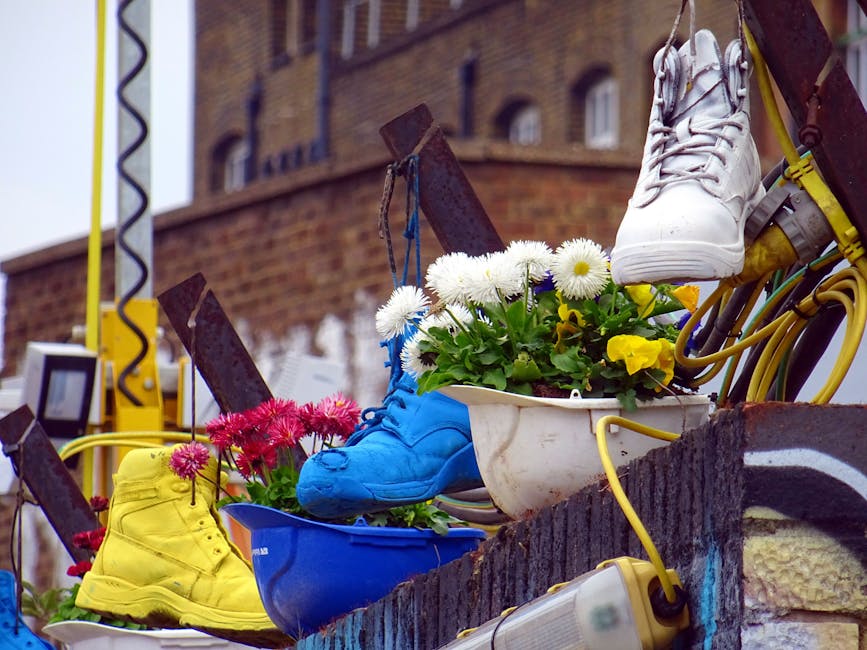
[IMG1]
If you are planning public flower displays in Tottenham or anywhere in Haringey, the permit question tends to come up fast. And for good reason.
If you've ever stared at a soggy bouquet on the kitchen counter and wondered what on earth to do next, you're not alone.

There's nothing quite like spotting a once-beautiful bouquet starting to droop on the kitchen sideboard.
If you have ever tried to send flowers at short notice, you will know the feeling: a quick birthday save, a last-minute apology, a hospital visit, or a same-day surprise that suddenly matters more than you expected.

If you've ever added flowers to your basket and then felt that small sting at checkout, you're not alone.

If you are arranging flowers in N22 Wood Green estates, you probably want three things: a bouquet that looks lovely, delivery that lands where it should, and a process that does not eat up your evening.

If you are arranging flowers for Alexandra Palace, you already know the stakes are a little higher than for an ordinary drop-off.

If you have ever stood in front of a florist counter, half-deciding between a bright mixed bouquet and something a little more restrained, you already know the problem: flowers look simple, but choosing the right florist is rarely simple.

Choosing wedding flowers can feel strangely personal.

Haringey, nestled in North London, often flies under the radar when discussions arise about the city's most vibrant boroughs.

Looking to uncover the true charm of North London? Whether you're a local or planning a visit, Haringey is a borough brimming with energy, character, and hidden gems.

Searching for an amazing day out with your loved ones in North London? Haringey offers an abundance of family-friendly activities that cater to all ages and interests.

London, the bustling capital of England, is known for its vibrant energy and countless iconic landmarks.

Haringey, located in North London, is an area rich in culture, history, and diversity.

Planning a party can be an exciting yet challenging endeavor. One of the most crucial elements is choosing the perfect venue.

Haringey, a bustling borough in North London, has become a hotspot for real estate investment.

Nestled in the northern part of London, Haringey is a borough that provides a blend of historical richness and modern vibrancy.





Please fill out the form below to send us an email and we will get back to you as soon as possible.